


Photo credit: Rebecca Louise
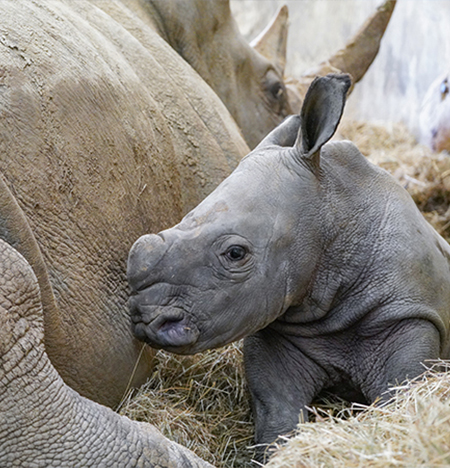
In very exciting news, the Park has welcomed a new Southern White Rhino calf named Markus. He was born in mid-September to mum Nancy and joins big sisters Susie and Queenie who are still part of the “crash” here at the Park.
Markus is a very confident and energetic calf, keen to play with mum and his siblings! He has certainly been keeping his Keepers on their toes and has very much enjoyed his time out on the paddock (when the weather allows!)
DID YOU KNOW?
The gestation period of a rhino is around 16-18 months, and a baby rhino is around 70kg at birth!
The Park’s conservation work for Southern White Rhinos has been incredibly successful over the last 12 years, with Markus being 12th calf born as part of the captive breeding programme to help protect this species. Keepers were actually present for Markus’ birth and you can see the footage here of when he came into the world, captured by mammal keeper Liam.
Over at the lake area essential maintenance has been carried out over the last couple of months, meaning the area has been closed to the public. The team working on clearing the lake and conducting the repairs have operated tirelessly in all weathers and have now completed the colossal task.
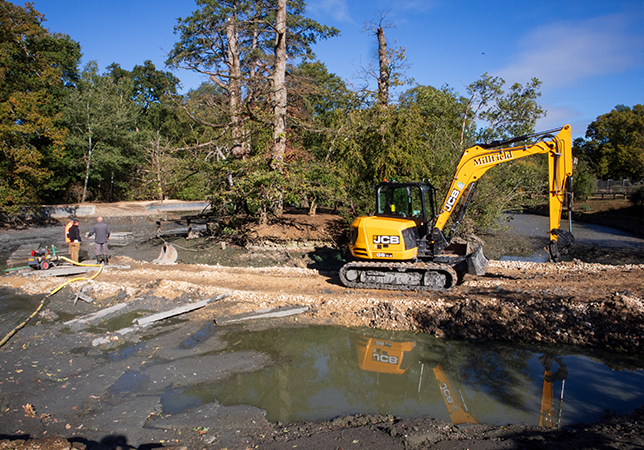
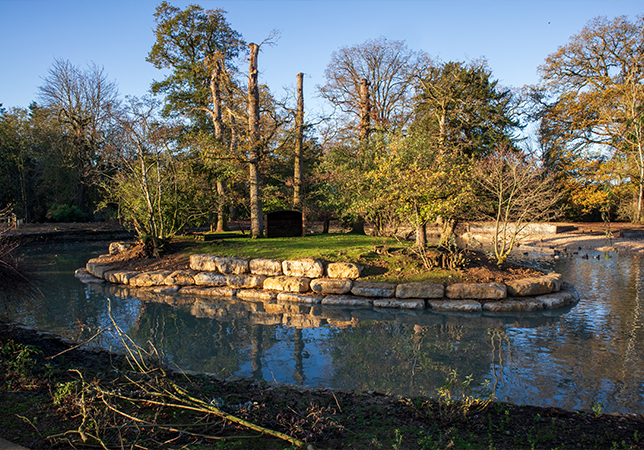
The birds that usually inhabit the lake exhibit have been safely rehoused elsewhere in the meantime, and those that require it will spend the winter indoors as the temperature outside continues to plummet.
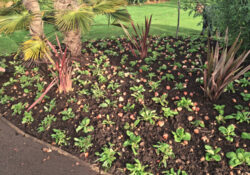 While many people may be putting the garden to bed in November, that’s certainly not the case here at the Park. In mid-October the Gardens team started their twice-annual bedding changeover by bringing in the collection of cacti and succulents which spend the summer planted in the Walled Garden, near our Penguins and Meerkats.
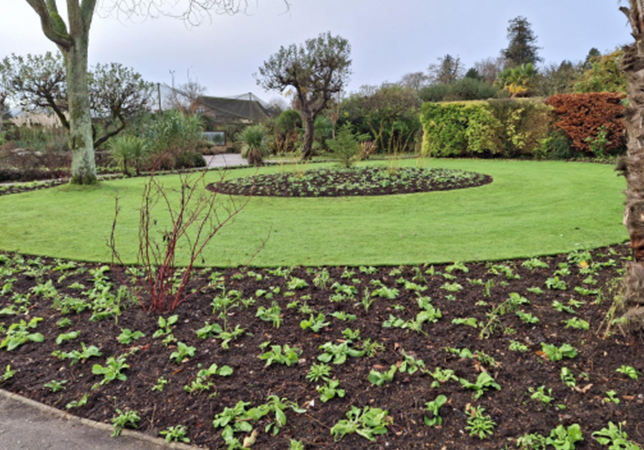
Deputy Head of the Gardens team Caroline said: “This is a big job, which involves all our Gardens and Grounds colleagues working as a team to get all the large specimen plants moved safely.
After this, the gardeners begin lifting the summer displays, carefully potting up our many Cannas, Dahlias and other tender plants, and tucking them away in our heated polytunnels.
When the beds are cleared and cultivated, we lay out and plant our winter bedding – around 6,000 plants in all! Finally, we add around 10,000 spring flowering bulbs, to ensure an impressive display in the spring.”
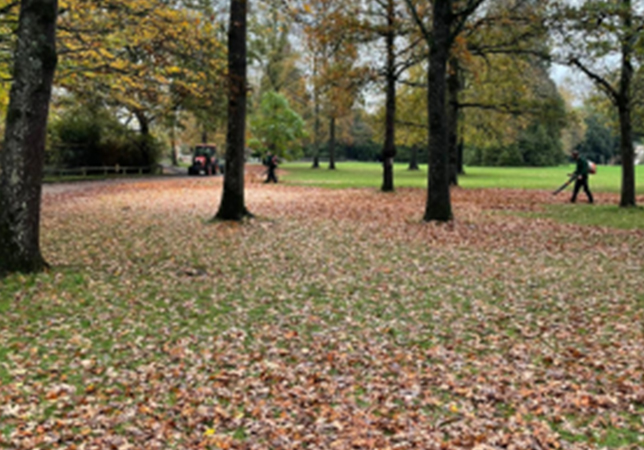
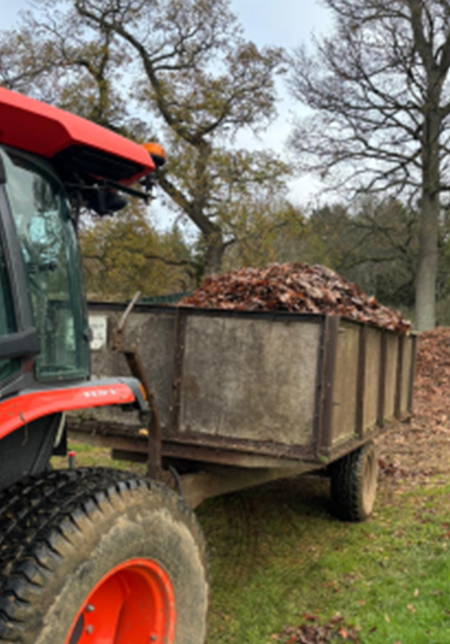
This time of year also keeps the Grounds team incredibly busy, collecting an abundance of fallen leaves from around the Park. These are then piled up to rot down, creating leaf mould, which we can spread over flower beds next winter.
Caroline said: “It’s brilliant for enriching the soil and improving its texture. As the weather has been quite mild this autumn, our grass continues to grow, so the Grounds team are still mowing our many lawns and the grass car park.”
EXTRA, EXTRA!
VISITOR INFORMATION: Cotswold Wildlife Park is currently open daily (except Christmas Day) from 10:00 am until 4:00 pm (with last admission being at 3:00 pm.
Please note: Our winter opening times change from Monday 5th January 2026. For more information, please visit: www.cotswoldwildlifepark.co.uk/pla…/opening-times/ – many thanks.
Please ensure that you check our website or social media for any weather-related updates ahead of visiting the Park – many thanks.